
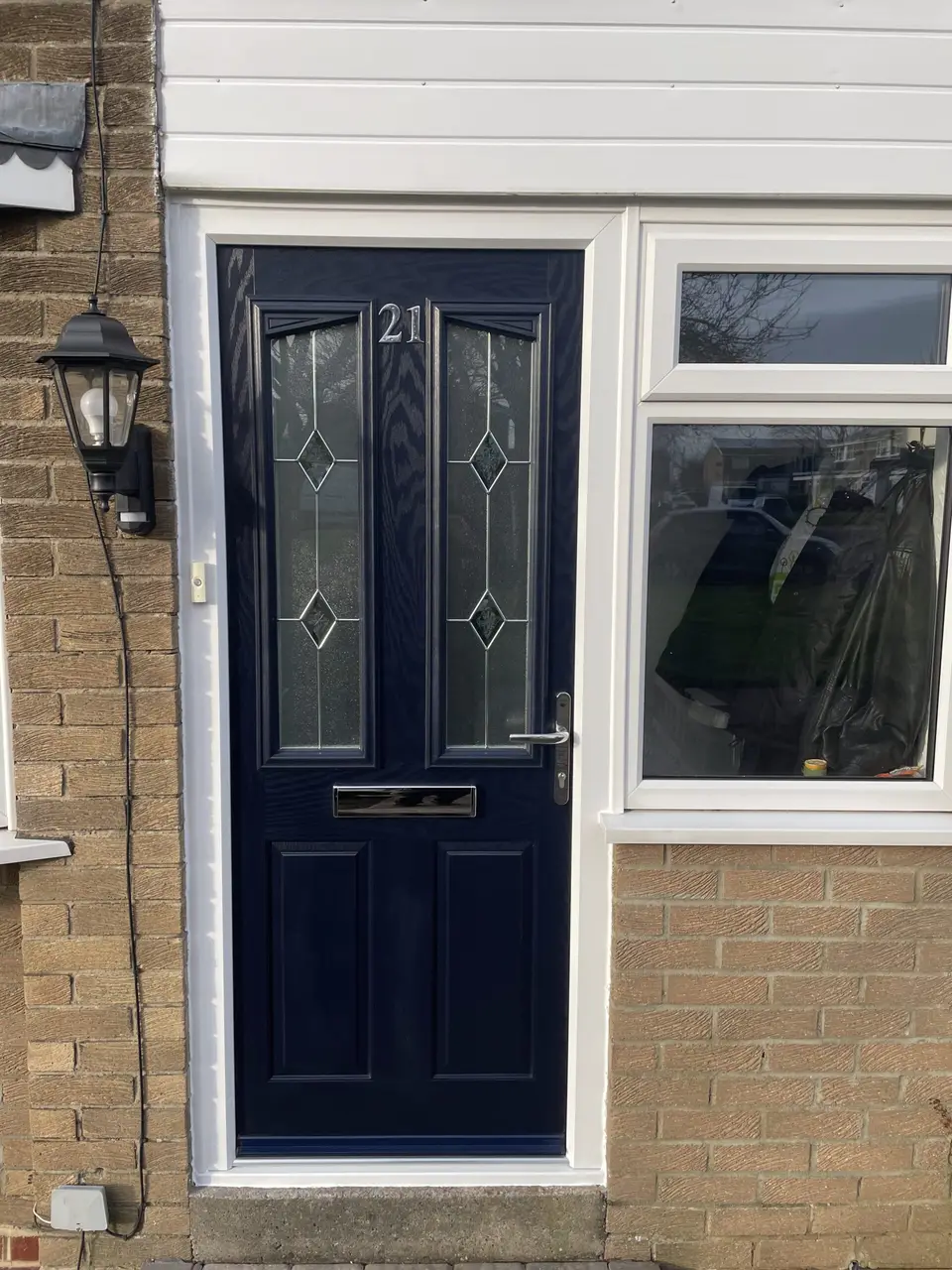
uPVC windows
uPVC Windows in Newcastle
uPVC windows keep rooms warm and bright and need almost nothing from you once they’re in. Tom supplies and fits uPVC double glazing chosen to suit your home and your budget.
- Energy-efficient double glazing
- Very low maintenance
- White, colours and woodgrain
- Less outside noise
Get a free quote
Tell us a little about the job and Tom will get back to you as soon as possible.
Why are uPVC windows so popular?
Walk down most streets in Newcastle and you’ll see plenty of uPVC windows. They offer a reliable mix of insulation, durability and value that suits most homes and budgets.
uPVC frames won’t rot, flake or need repainting. The hollow chambers inside the frame trap air and reduce heat loss. Once a good double-glazed unit is fitted and sealed into the opening, most people notice the difference in comfort straight away.
A good choice if you want
- Warmer rooms and fewer draughts
- Windows that only need an occasional clean
- An affordable way to replace several windows at once
- A clean, modern look, or a colour to match your door
Benefits
The advantages of uPVC windows
Keeps the heat in
Insulated frames and modern glass help rooms stay warm, so your heating doesn’t have to work as hard.
Low maintenance
No sanding or painting. A wash now and then keeps the frames clean and bright.
Quieter rooms
A well-sealed uPVC window helps block out traffic and street noise.
Good value
uPVC performs well at a price that makes replacing every window realistic.
Secure
Modern locks and glass fitted from the inside make the windows harder to tamper with.
Plenty of styles
A range of opening styles, colours and finishes to suit your home.
Which window style suits your home?
The style affects how a window opens, how easy it is to clean and how it looks from the street.
Casement windows
The most common style in the UK. The opening part is hinged at the side or the top. Casements are simple to use and suit most modern and post-war homes. Larger windows often combine a fixed pane with one or two opening sections, which keeps the view clear while still letting in fresh air.
Tilt and turn windows
These tilt inwards at the top for safe ventilation, or swing fully inwards so you can clean the outside of the glass from inside. They’re popular for upstairs rooms and flats.
Sash-style windows
uPVC sash-style windows copy the look of traditional sliding sash windows, so older homes keep their character with much less upkeep. For a listed home, or one in a conservation area, timber windows may be required instead.
What colour uPVC windows should you choose?
White is still the most popular choice and works with almost any house. Anthracite grey and black frames give a more modern look and have become much more common. Woodgrain finishes add warmth and can suit older properties.
Think about the whole front of the house. Matching your windows to a new uPVC or composite door helps everything look planned rather than pieced together.
What do window energy ratings mean?
When you compare quotes, you’ll often see a U-value or an energy rating. Both tell you how well a window keeps heat in, and replacement windows in England have to meet a minimum standard under Building Regulations.
U-values
A U-value measures how much heat passes through the window. The lower the number, the better the window insulates.
Window Energy Ratings
Some windows are given a letter rating, a bit like a fridge or washing machine. It takes into account heat loss, how much free heat from the sun the glass lets in and how airtight the window is. Ask for the rating of the windows in your quote so you can compare like with like.
Is double glazing enough, or do you need triple glazing?
For most Newcastle homes, good-quality double glazing is enough on its own, especially if you’re replacing single glazing or old units that have misted up. Triple glazing adds a third pane. It insulates a little better, but the windows are heavier and cost more. If a room is very exposed or you want to cut heat loss as far as possible, ask whether triple glazing is available for your windows.
How to look after uPVC windows
Wipe the frames with warm soapy water a few times a year and keep the drainage slots clear. Once a year, put a little light oil on the hinges and locking parts. That’s usually all they need.
FAQs
uPVC window questions
Are uPVC windows energy efficient?
Modern uPVC windows with good double-glazed units insulate well. The frames have several hollow chambers that help limit heat loss, and when the window is sealed properly into the opening, the room feels noticeably warmer.
Can uPVC windows be coloured?
Yes. White is the most common, but uPVC windows also come in colours such as grey and black, as well as woodgrain-effect finishes.
Are uPVC windows suitable for older homes?
They can be, especially sash-style designs or woodgrain finishes. If your home is listed or in a conservation area, check with the council first, as timber may be required.
How long does it take to fit uPVC windows?
A single window can often be changed in a few hours. A full house takes longer, and you’ll get a clear timescale with your quote.
Can you replace just one or two windows?
Yes. You don’t have to replace every window at once. Tom can advise on matching the new windows to the ones you’re keeping.
Related services
Get a quote for uPVC windows
Tell us how many windows you’d like to replace and any colours or styles you prefer. Tom will reply with a clear, itemised price.